
Few game worlds leave players with a sense of isolation as powerful as Dark Souls. From its crumbling castles to its silent NPCs, the game constantly reinforces a feeling of loneliness, despair, and quiet melancholy. This atmosphere is not accidental—it is the result of deliberate design choices that blend narrative, gameplay, and environment into a haunting experience.
So what exactly makes the world of Dark Souls feel so dark and lonely?
A World Past Its Prime
Dark Souls does not take place in a thriving kingdom, but in a world long past its golden age. Lordran is filled with ruins, abandoned cities, and fading monuments to forgotten glory. Civilizations have collapsed, gods have disappeared, and what remains are echoes of former greatness.
This sense of decline is central to the game’s atmosphere. Players are not heroes arriving to save the world—they are wanderers exploring the aftermath of countless failures. The world feels lonely because it is already dying.
Sparse NPC Presence and Meaningful Silence
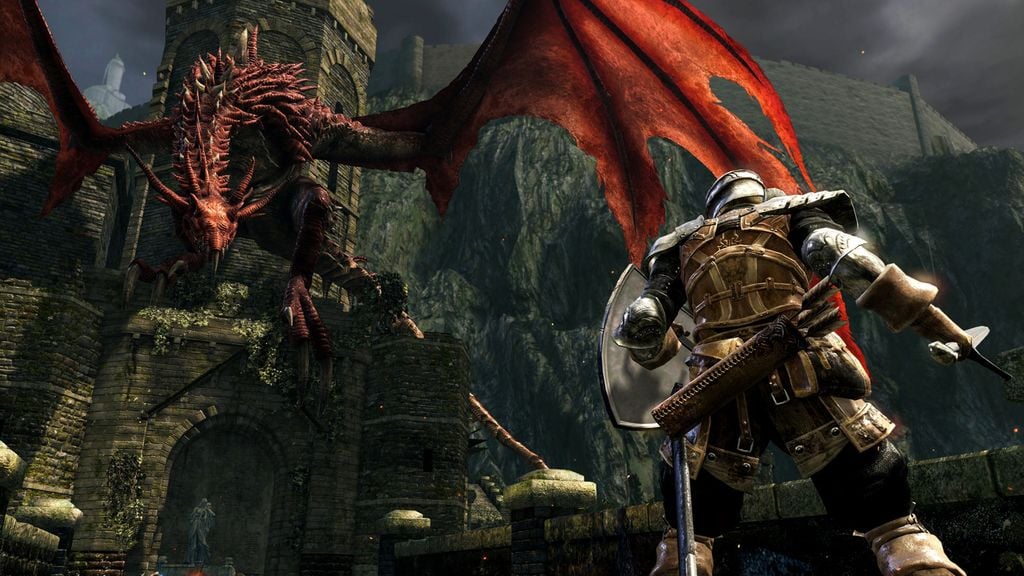
Unlike many RPGs filled with bustling towns and constant dialogue, Dark Souls features very few NPCs. Those that do exist are scattered across the world, often isolated and emotionally distant. Conversations are short, vague, and rarely comforting.
Silence plays a major role here. Long stretches of exploration occur without music or dialogue, allowing players to absorb the emptiness of their surroundings. When an NPC finally speaks, their words often reflect despair, resignation, or fragile hope—reinforcing the sense that companionship is temporary and fragile.
Environmental Storytelling Over Direct Narrative
Dark Souls tells most of its story through environmental details rather than direct exposition. Broken statues, fallen knights, and abandoned fortresses silently hint at past tragedies. Players must interpret what happened rather than being told explicitly.
This indirect storytelling creates emotional distance. Because the world does not explain itself, players feel like outsiders, uncovering fragments of a history that no longer belongs to anyone. The lack of clear answers deepens the sense of isolation.
Themes of Cycles and Inevitability
At the core of Dark Souls lies the concept of endless cycles. The Age of Fire fades, is rekindled, and fades again. Heroes rise and fall, only to be forgotten. Nothing truly ends, yet nothing truly improves.
This repetition creates a bleak worldview. Progress feels temporary, and victories feel hollow. The player’s journey becomes less about hope and more about endurance—pushing forward despite knowing that the outcome may change nothing.
Hostile World Design
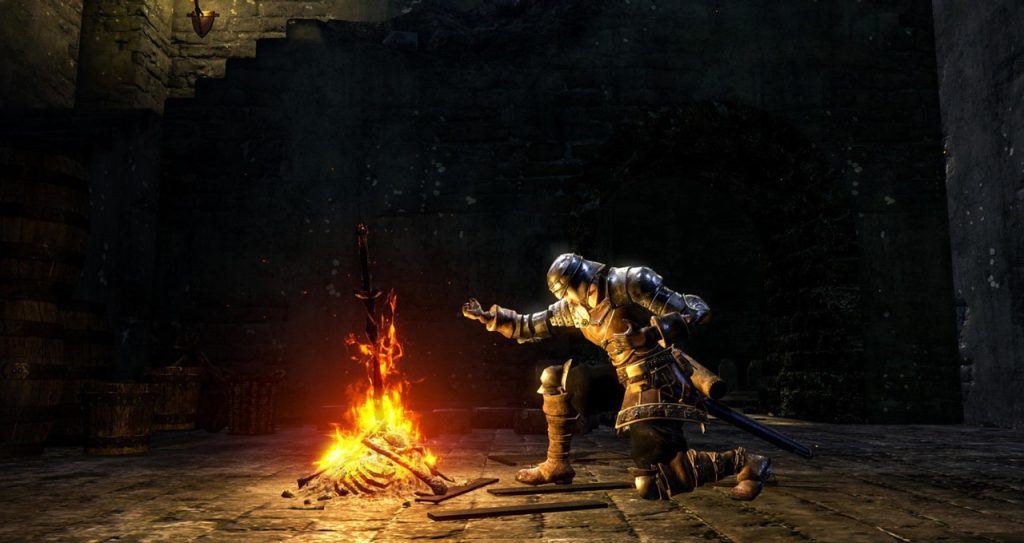
The world of Dark Souls is not welcoming. Enemies lurk around corners, ambush from above, and attack without mercy. Safe areas are rare, and even familiar locations can become dangerous.
This constant threat discourages relaxation. Players are always on edge, reinforcing the idea that the world itself is hostile and uncaring. There is no sense of belonging—only survival.
Loneliness Through Gameplay Mechanics
Even gameplay mechanics contribute to the feeling of solitude. Death is frequent, and failure is expected. While online features allow brief cooperation or invasions, these interactions are fleeting and impersonal.
Most of the journey is experienced alone. When other players appear, they are ghosts—fading reminders that others exist, but cannot truly accompany you. This reinforces the theme that every struggle in Dark Souls is ultimately faced alone.
Emotional Weight of NPC Tragedies
When players do form attachments to NPCs, those relationships often end in tragedy. Characters like Solaire, Siegmeyer, and the Crestfallen Warrior face despair, madness, or death. Their stories rarely offer closure or happiness.
These personal losses make the world feel even more isolating. As NPCs disappear, players are reminded that companionship is fleeting—and that persistence often leads to suffering rather than reward.
Why This Atmosphere Works
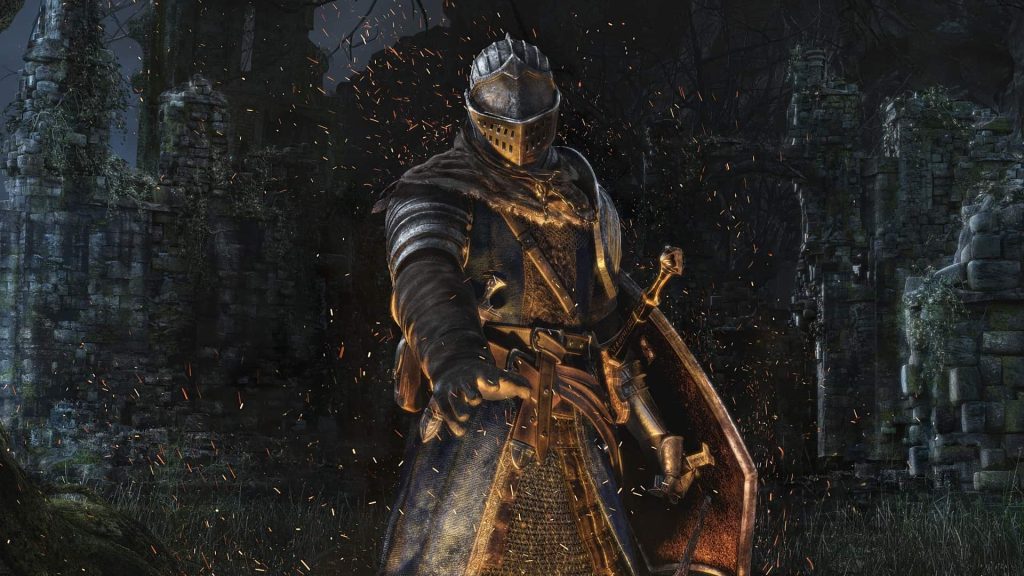
The darkness and loneliness of Dark Souls are not meant to discourage players. Instead, they create a powerful emotional experience that resonates long after the game ends. The absence of comfort makes moments of hope feel meaningful. The silence gives weight to every step forward.
Dark Souls feels lonely because it wants players to confront despair—and choose to continue anyway.
Final Thoughts
The world of Dark Souls feels dark and lonely because it is designed to reflect decay, repetition, and emotional isolation. Through environmental storytelling, sparse NPC interactions, and unforgiving gameplay, the game creates an atmosphere where perseverance is the only true victory.
👉 If you truly appreciate the subtle storytelling and haunting atmosphere that define Dark Souls, exploring Dark Souls–inspired merchandise is a great way to stay connected to its world beyond the game. From dark, gothic apparel to collectibles inspired by Lordran’s fallen heroes, each piece reflects the themes of perseverance, loss, and quiet strength. Visit dark-souls.store to discover unique items made for fans who carry the spirit of Dark Souls with them.
